Introduction
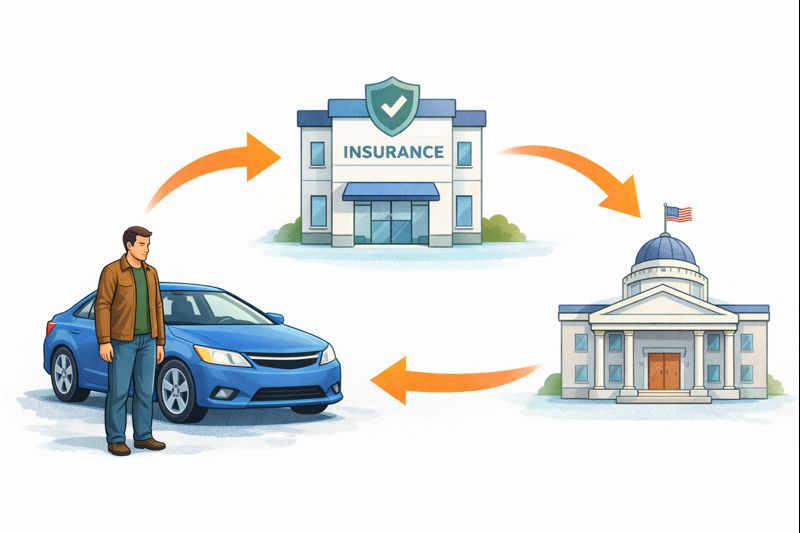
SR-22 insurance cost by state is one of the most searched and most misunderstood aspects of high-risk auto insurance compliance in the United States. Drivers who are required to carry SR-22 insurance are often already under financial and legal pressure, making cost a primary concern. However, SR-22 pricing is not uniform across the country. Instead, it reflects a complex interaction between state laws, insurance regulations, geographic risk factors, and individual driver profiles.
Understanding SR-22 insurance cost by state is essential for budgeting accurately, avoiding compliance lapses, and identifying lawful ways to minimize expenses. This article provides a comprehensive, data-informed explanation of why SR-22 insurance costs vary by state, what factors influence pricing, and how drivers can manage costs without violating legal requirements.
Why SR-22 Insurance Costs Differ by State
SR-22 insurance is governed at the state level, which means that no single national pricing structure exists. Each state establishes its own financial responsibility laws, minimum liability limits, enforcement mechanisms, and administrative processes. These regulatory differences directly influence the cost of SR-22 insurance.
States with stricter monitoring systems, higher liability minimums, and more aggressive enforcement policies generally have higher SR-22 insurance costs. Conversely, states with lower coverage requirements or less complex administrative systems may offer relatively lower premiums.
State Liability Limits and Their Impact on Cost
One of the most significant drivers of SR-22 insurance cost by state is the minimum liability coverage requirement. States mandate different minimum limits for bodily injury and property damage, which directly affect premium calculations.
For example:
-
States requiring higher bodily injury limits expose insurers to greater potential losses
-
Higher property damage limits increase claim severity
-
Mandatory uninsured or underinsured motorist coverage can further raise costs
Because SR-22 insurance strictly enforces these minimums without exception, drivers cannot lower coverage to reduce costs below the legal threshold.
Regulatory Enforcement Intensity and Pricing
Another key factor influencing SR-22 insurance cost by state is the intensity of regulatory enforcement. States that employ real-time electronic insurance verification systems require insurers to maintain more robust compliance infrastructure. These administrative costs are often passed on to policyholders.
In highly regulated states, insurers must:
-
File SR-22 certificates electronically
-
Monitor coverage continuously
-
Report lapses immediately
-
Maintain compliance records for extended periods
The added operational burden increases overall policy costs.
Geographic Risk and Insurance Economics
Beyond regulation, geographic risk plays a major role in determining SR-22 insurance costs. Insurers use actuarial models that incorporate regional risk factors such as:
-
Traffic density and congestion
-
Accident frequency
-
Weather-related hazards
-
Rates of uninsured motorists
-
Medical and repair costs
Urban states or regions with higher claim severity generally experience higher SR-22 insurance premiums than rural or lower-risk areas.
Urban vs. Rural Cost Differences
Within a single state, SR-22 insurance costs may vary between urban and rural areas. Drivers in metropolitan regions often face higher premiums due to:
-
Increased accident frequency
-
Higher property damage values
-
Greater litigation costs
-
More frequent claims
Rural areas, while not risk-free, often benefit from lower traffic volumes and reduced claim severity, which can modestly reduce costs even under SR-22 requirements.
Individual Driver Risk Factors Still Matter
Although this article focuses on SR-22 insurance cost by state, individual driver characteristics remain a critical pricing factor. Insurers evaluate each policyholder using risk-based criteria, including:
-
Driving history and violation severity
-
Age and driving experience
-
Prior insurance lapses
-
Credit-based insurance scores (where permitted by law)
-
Length of time since last offense
State-level costs establish the baseline, but individual risk determines where a driver falls within that range.
Administrative Fees Associated with SR-22 Insurance
In addition to standard premiums, SR-22 insurance may involve administrative filing fees. These fees cover the cost of submitting and maintaining the SR-22 certificate with the state.
Administrative costs vary by insurer and state but may include:
-
Initial filing fees
-
Reinstatement fees after a lapse
-
Amendment fees for policy changes
While these fees are usually modest compared to premiums, they contribute to the overall cost burden.
Typical Cost Ranges by State Category
Although exact pricing varies, states can be broadly grouped into general cost categories:
Higher-Cost States
-
Higher liability minimums
-
Aggressive enforcement systems
-
Dense urban populations
Moderate-Cost States
-
Average liability requirements
-
Balanced enforcement approaches
Lower-Cost States
-
Lower minimum limits
-
Less complex filing systems
It is important to note that “lower cost” does not mean low risk of enforcement. Even in lower-cost states, SR-22 compliance is strictly monitored.
How Long-Term Compliance Affects Cost
Maintaining uninterrupted SR-22 insurance coverage over the required period can positively influence future insurance costs. Insurers view successful compliance as evidence of improved risk behavior.
Benefits of long-term compliance may include:
-
Gradual premium stabilization
-
Access to more insurers after the SR-22 period ends
-
Lower costs compared to drivers who fail to comply
Conversely, lapses or violations during the SR-22 period can significantly increase costs and extend compliance requirements.
Cost Reduction Strategies That Remain Legal
While SR-22 insurance is inherently more expensive, drivers can manage costs legally by:
-
Comparing multiple insurers experienced in SR-22 filings
-
Avoiding optional coverages not required by law
-
Maintaining perfect payment history
-
Completing the required period without violations
Cutting corners or attempting to bypass SR-22 requirements often results in higher long-term costs.
Consumer Search Intent and SEO Value
Search queries related to SR-22 insurance cost by state signal high commercial intent. Users searching these terms are often actively seeking insurance quotes or evaluating compliance options.
Well-structured, state-aware content addressing cost differences performs exceptionally well in organic search and supports conversion-focused landing pages.
Why Understanding SR-22 Costs Prevents Compliance Failures
Many SR-22 lapses occur not because drivers refuse to comply, but because they underestimate the financial commitment involved. Understanding cost structures upfront allows drivers to plan realistically and avoid unintentional lapses.
Conclusion
SR-22 insurance cost by state reflects a combination of legal mandates, regulatory enforcement, geographic risk, and individual driver behavior. While costs can be higher than standard auto insurance, they serve an important regulatory purpose: ensuring continuous financial responsibility among high-risk drivers.
By understanding how state-level factors influence SR-22 insurance costs, drivers can make informed decisions, budget accurately, and maintain compliance throughout the required period.
No Comments
Be the first to share your thoughts on this article.